

Introduction
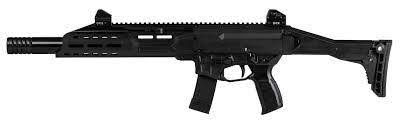
What exactly is a PCC?
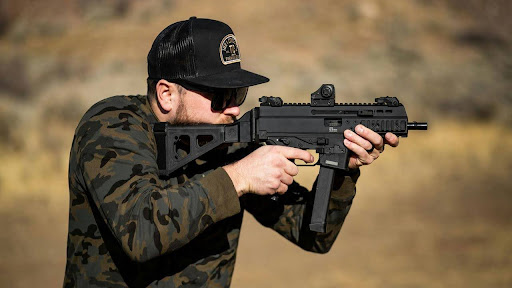
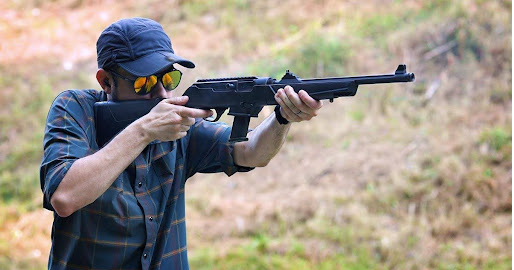
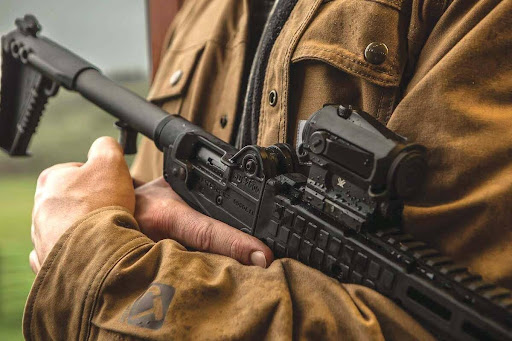
A pistol-caliber carbine is, in plain terms, a rifle-like firearm that fires pistol ammunition. Physically, it looks like a short rifle: a shoulder stock, longer sight radius than a handgun, and (usually) a longer barrel. Internally it uses cartridge types commonly loaded in pistols. Mechanisms vary — blowback, delayed blowback, or gas systems — depending on design and caliber.
Key distinguishing features:
- Chambering: Uses handgun cartridges (9mm is the most common today).
- Magazines: Often accepts pistol magazines (sometimes via adapters) or proprietary carbine magazines sized for the pistol round.
- Ergonomics: Longer sight radius and shoulder support improve stability and accuracy versus a pistol.
- Barrel length and weight: Usually longer/heavier than a pistol, which reduces felt recoil and muzzle rise.
Why PCCs are popular — practical reasons
- Lower recoil, easier follow-up shots
Because a PCC is braced against the shoulder and typically heavier than a pistol, felt recoil and muzzle rise are reduced. That makes fast, accurate follow-ups easier for shooters of all experience levels. For many people, the difference in perceived recoil between a 9mm pistol and a 9mm carbine is very noticeable. - Shared ammunition and magazines
If you already own a pistol in the same caliber, you can often use the same ammunition — and sometimes the same magazines — which simplifies logistics and cuts cost. Training can be done with the same ammo you’d use in a pistol, avoiding the need to stock multiple calibers. - Cheaper practice ammunition
Common PCC calibers like 9mm and .22 LR are among the least expensive centerfire and rimfire rounds, respectively. That makes high-volume range time and drills more economical than with rifle calibers like .223/5.56 or .308.
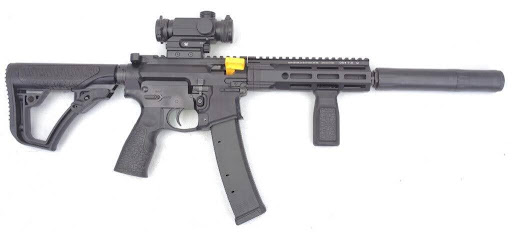
- Improved accuracy and controllability
Longer sight radius and the stability of a shoulder stock make it easier to place accurate shots at typical engagement ranges. For defensive drills, target shooting, or training, this improves hit probability without requiring perfect pistol technique. - Versatility with optics and accessories
Modern PCCs often accept red dots, magnified optics, lights, and lasers, because they share many accessory mounting standards with modern rifles. A red dot on a PCC brings pistol-like speed together with carbine-level stability. - Competition-friendly
Many practical shooting sports have divisions or classes for PCCs (e.g., USPSA PCC Divisions, local 3-gun variants). These competitions reward the balance of speed and accuracy that PCCs can offer, especially when built and tuned for competitive use. - Soft learning curve for new shooters
For shooters who find pistols intimidating, PCCs can be a good intro: easier to aim, gentler recoil, and instinctive shoulder support make learning fundamentals less frustrating. - Home defense appeal
The combination of controllability, capacity, and sighting options makes PCCs attractive for some who prioritize quick, accurate shots inside the home environment where typical engagement ranges are short.
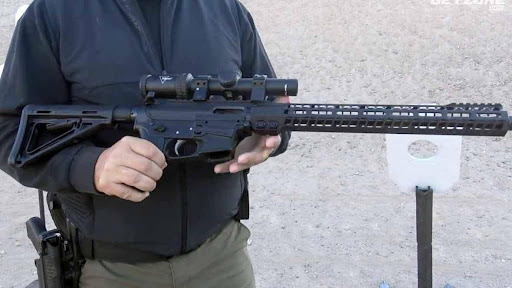
Common uses and scenarios
Recreational shooting and plinking
PCCs are fun to shoot and cheap to feed (in the common calibers). The reduced recoil encourages longer sessions and faster skill acquisition.
Training and skill transfer
Using a PCC for marksmanship training helps develop sight alignment, trigger control, and follow-up accuracy with a platform that’s easier to manage than a pistol. If the PCC accepts pistol magazines, drills can closely simulate pistol reloads and malfunction clearing.
Competition
PCC divisions in shooting sports have grown because these platforms let competitors combine the speed of handgun shooting with rifle-style stability. Well-tuned PCCs with optics, compensators, and adjustable triggers excel in practical stages.
Home defense
Some owners choose a PCC over a pistol or shotgun for home defense due to its controllability, capacity, and ability to mount light and optics. That said, awareness of over-penetration (see safety section) and local law/regulation is essential.
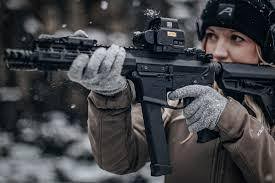
Law enforcement / security
Some agencies and security contractors elect to use PCCs for specific roles: close-quarters patrol work, vehicle operations, or as an intermediate option where rifle calibers are not desired. PCCs’ controllability and magazine compatibility with issued sidearms can be logistical advantages.
Small game / pest control
Chambered in rimfire (.22 LR), PCCs can be effective tools for varmint control and small game hunting at modest ranges.
Ammunition and ballistic tradeoffs
PCCs use pistol rounds, which fundamentally changes what they can and can’t do compared with rifle calibers:
- Effective range: Pistol calibers generally have shorter effective ranges and less retained energy than rifle cartridges. PCCs are best used inside their practical limits — short to moderate distances — where ergonomics and accuracy advantages matter most.
- Terminal performance: Modern defensive pistol ammo is optimized for wound channels and controlled penetration when fired from pistols and short barrels. Carbines may change velocity and expansion characteristics slightly; choose duty/defensive loads and test their performance in your specific barrel length.
- Penetration and over-penetration: Many pistol rounds still penetrate walls more than shotgun buckshot at short range; consider this in home defense planning and favor loads that balance penetration and stopping power appropriately.
Ammunition costs: 9mm and .22 LR are inexpensive for practice; higher-power pistol cartridges (.45 ACP, .40 S&W) cost more and produce more recoil, though still less than comparable rifle rounds.
Design and accessories
PCCs exist in many forms:
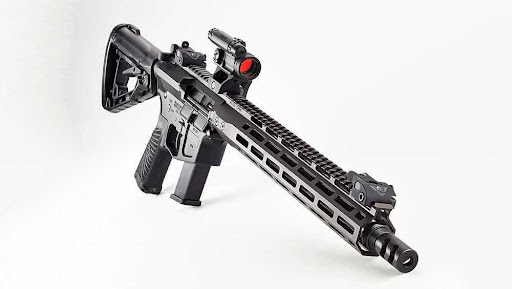
- AR-pattern 9mm carbines: Common because they leverage AR ergonomics and accessory compatibility but are adapted to handle pistol rounds.
- Blowback designs: Simple and robust for many PCC types, especially in rimfire and simple centerfire designs.
- Folding or collapsible stocks: Make PCCs compact for transport or storage.
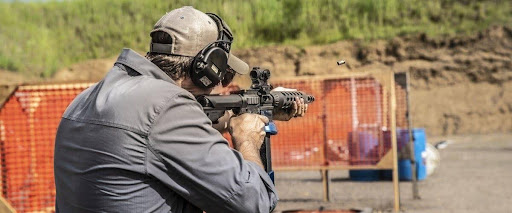
- Optics and irons: Red dots are extremely popular on PCCs for rapid target acquisition; magnified optics are used in competition.
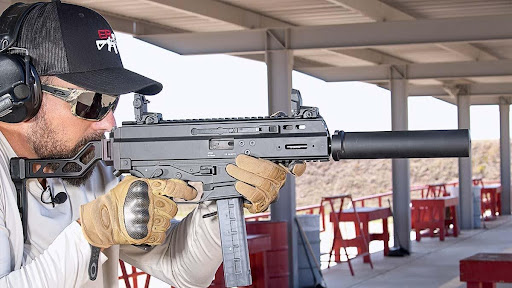
- Muzzle devices and suppressors: Some PCCs accept threaded barrels for muzzle brakes or suppressors; suppressors reduce noise and recoil but are regulated differently depending on jurisdiction.
- Magazine compatibility: Some PCCs accept standard pistol magazines; others use dedicated carbine magazines to increase capacity or reliability.
Maintenance, reliability, and considerations
- Reliability depends on feed system and ammo: PCCs that accept pistol magazines sometimes need feed ramps or adapters to ensure reliable feeding; quality magazines and proper tuning matter.
- Wear and parts: Blowback designs can exhibit more bolt and spring wear depending on cartridge pressure and rate of fire; maintaining proper parts and springs is important.
- Sights and zeroing: Zero a PCC for the optics and typical shooting distances you’ll use rather than copying a rifle zero; 25–50 yards is common for many PCC setups.
- Barrel length effects: Longer barrels can increase velocity marginally for pistol rounds and change point of impact; test your chosen loads in the actual carbine barrel.
Legal and safety considerations (non-exhaustive)
This report is informational, not legal advice. Laws about firearms ownership, features, suppressors, and configurations vary widely by country, state, and locality. Always:
- Know your local laws about ownership, transport, and use of carbines, especially any regulations for magazine capacity, barrel length, or accessory types.
- Follow safe storage and handling practices. Treat every firearm as loaded, keep the muzzle pointed in a safe direction, keep your finger off the trigger until ready to shoot, and be sure of your target and what’s beyond it.
- Consider over-penetration risk in home defense planning. Pistol rounds can penetrate interior walls; think about backstops, bullet selection, and non-lethal options where applicable.
Training and competence are essential. Owning a PCC increases your ability to apply force effectively; that comes with responsibility to train, practice, and understand legal use-of-force rules in your jurisdiction.
Buying considerations — what to think about before you buy
- Intended primary use
Are you buying for competition, home defense, training, hunting, or fun? That will influence caliber, weight, sights, and accessory needs. - Caliber choice
- 9mm: The most common and economical choice with wide ammo availability.
- .22 LR: Cheap, light recoil — great for practice but not primary defense.
- .45 ACP / .40 S&W / others: Heavier rounds bring more recoil and cost; useful for those who prefer these calibers in their pistols.
- Magazine compatibility
If you want to use your existing pistol magazines, confirm fit and reliability. Some PCCs accept standard pistol magazines natively; others require adapters or proprietary magazines. - Ergonomics and fit
Test length of pull, controls, and how the carbine points. Adjustable stocks can help tailor fit for different users. - Optics and rails
If you plan to run a red dot or light, make sure mounting options match what you want to use. - Barrel length and threaded barrels
Decide whether you want a threaded barrel for muzzle devices or suppressors (mind local laws). - Aftermarket support and parts availability
A platform with good spare parts and accessory options makes customization and repairs easier. - Budget
Factor in cost of the gun, optics, magazines, and quality practice ammunition. A cheaper PCC plus reliable magazines and optics can be a better overall buy than an expensive base gun with poor support.
Training tips (high level, not step-by-step)
- Train fundamentals: sight picture, trigger control, stance, and proper breathing.
- Use the carbine to practice movement, reloads, and transitions in a way that complements pistol work.
- Work on one skill per session: accuracy, rapid follow-ups, magazine changes, or movement drills to avoid diluted practice.
- If carrying a pistol and shooting a PCC in competition or duty contexts, practice reloads and malfunctions with both platforms; muscle memory changes between rifles and pistols.
Common misconceptions
- “PCCs are just rifles with pistol bullets” — yes and no. While chambering is for pistol rounds, PCCs are purpose-built platforms that balance characteristics of both classes; they aren’t a replacement for rifles where long-range ballistic performance matters.
- “PCCs are always cheap to shoot” — relative to many rifle rounds, yes, but cost depends on caliber and how enthusiastically you accessorize.
- “Any pistol ammo will work identically in a carbine” — barrel length and platform differences can change velocity and expansion; always verify performance of defensive loads in the actual PCC barrel.
Final thoughts — a concise, practical close
Pistol-caliber carbines occupy a useful, sometimes underrated niche in the shooting world. They combine many of the best traits of pistols and rifles: low cost per round, controllability, magazine compatibility with pistols (in many cases), and improved accuracy thanks to the stable, shouldered firing position. That makes them superb for training, competition classes designed around them, recreational shooting, and certain home-defense or security roles.
They’re not the answer for long-range work or where rifle ballistics are required, but for close to moderate engagements and high-volume, skill-building practice, PCCs are an efficient, enjoyable tool. If you’re thinking about buying one, be clear about the role you want it to play, choose a caliber that fits your budget and needs, check magazine compatibility, and invest time in safe, focused training. Do that, and a well-chosen PCC can be one of the most practical, versatile firearms in an owner’s safe.

