Introduction
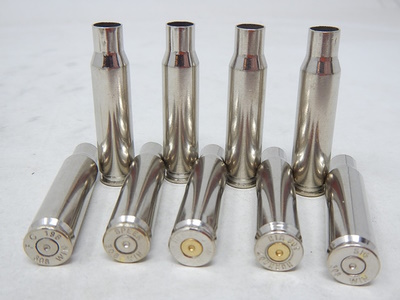
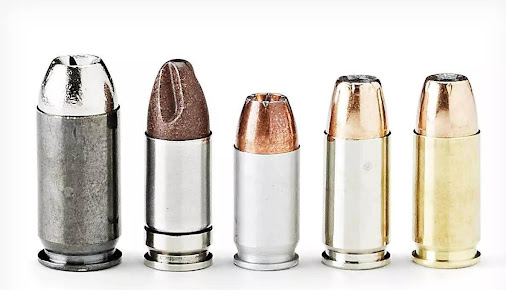
Nickel-plated and traditional brass cartridge cases are the two most common case finishes you’ll encounter for centerfire pistol and rifle ammunition. Brass (an alloy of copper and zinc) is the long-standing industry standard: it is ductile, easy to form, naturally corrosion-resistant, and excellent for reloading. Nickel plating is a thin metallic coating applied over brass (or sometimes steel) that improves surface hardness, slickness, and resistance to certain kinds of corrosion or staining. Each has tradeoffs in extraction behavior, resistance to environmental attack, and how well the case survives and performs through reloading cycles. This report compares the two across those domains and ends with practical recommendations for shooters, collectors, and reloaders.
Basic metallurgy and finishes — what they are
- Brass cases: Typically 70/30 or 67/33 copper/zinc alloys (percent by weight varies). Brass is naturally corrosion-resistant because copper develops a protective oxide/patina; it is also malleable, making it forgiving in chambering, extraction, and resizing. Most factory brass is annealed at the case neck to restore ductility after forming.
- Nickel-plated cases: These are usually brass cases electroplated with a thin layer of nickel (microns thick). Nickel plating bonds to the brass substrate and creates a very smooth, hard surface. Less commonly, surplus or budget ammo uses steel cases plated with nickel; those behave differently because the base metal lacks brass’s ductility. When we say “nickel” in this report, we mean nickel-plated brass unless otherwise noted.
Extraction and feeding behavior
- Surface friction and slickness: Nickel plating produces a slicker external surface than bare brass. That generally improves feeding and extraction under adverse conditions (dirt, powder fouling, or limited lubrication). Many users report smoother cycling in semiautos, especially with tight or older magazines.
- Friction in the chamber: Because nickel is harder, a nickel-plated case will sometimes experience slightly different friction in the chamber. In most modern firearms this is negligible; in older or tight-tolerance chambers, nickel plating can reduce the “grip” brass normally has and hence make extraction marginally easier. That’s usually positive, but if extraction is marginal due to other issues (dirty chamber, weak extractor), the improvement is helpful rather than harmful.
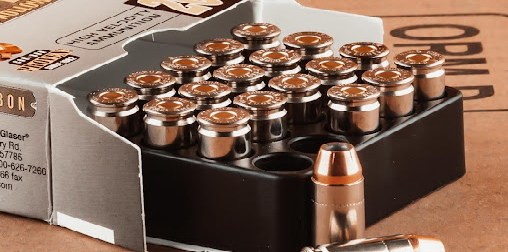
- Steel cases plated with nickel: If the case substrate is steel under the plating, extraction can be problematic because steel does not expand and seal like brass. Steel cases can stick more, especially in hotter or higher-pressure loads, and extraction force behavior can be less forgiving. Make sure you know the base metal.
- Summary — extraction: Nickel-plated brass typically helps reliability in feeding/extraction thanks to lower surface friction. If the plated layer deteriorates or flats are created, that benefit diminishes.
Corrosion resistance and environmental durability
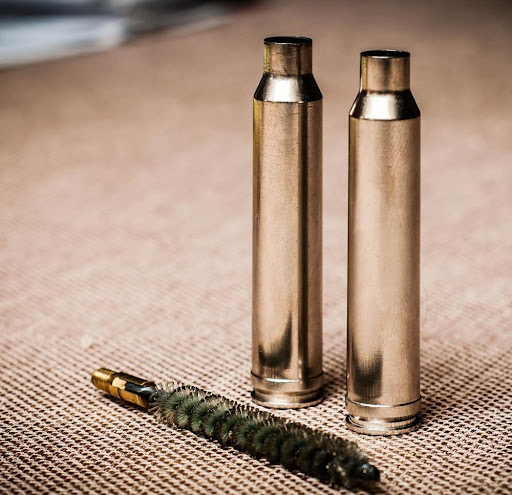
- Brass corrosion behavior: Brass resists rust (iron oxide) because it contains no iron; however, brass can tarnish and develop verdigris (copper salts) when exposed to moisture, salts, or acidic environments. Tarnish rarely affects function, but heavy verdigris or salt corrosion can interfere with chambering and extraction and complicate reloading. Proper storage (dry, low humidity, sealed containers) largely prevents issues.
- Nickel plating and corrosion: Nickel provides a tougher, more chemically inert surface than bare brass. It resists fingerprints, sweat, and salt more effectively and often looks cleaner after time in humid or salty environments (marine, sweat, pocket carry). Nickel also resists staining from handling and brass discoloration. For shooters who carry or store ammo in humid/ salty conditions, nickel-plated brass can be advantageous.
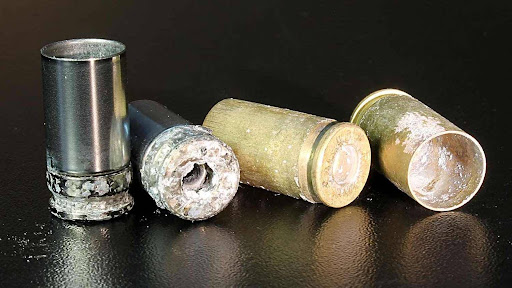
- Failure modes: If the nickel plate is damaged (scratches, pinholes) moisture can reach the brass substrate and cause localized corrosion under the plate; this is more cosmetic than catastrophic but should be checked. Poor plating quality (inconsistent thickness, flaking) will create corrosion hot-spots.
Summary — corrosion: Nickel plating improves surface resistance to tarnish and staining and is beneficial in harsh storage or carry environments. Quality plating and correct base metal matter.
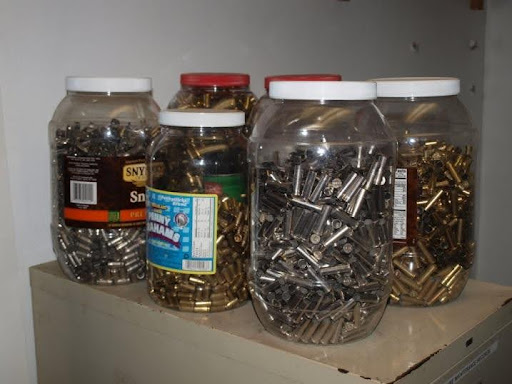
- Brass reloadability: Brass is reloaders’ favorite because it is soft enough to resize reliably, annealable to extend life, and has consistent case head strength. Typical brass can be reloaded many times (number varies by caliber, chamber, and how hot the loads are) — commonly 5–10 times for pistol brass, more for rifle cases if annealed and not driven hard.
- Nickel-plated brass reloadability: Nickel plating complicates reloading in a few ways:
- Resizing friction: The slick nickel surface often makes resizing easier because the case slips through dies more freely. That can be helpful, reducing sizing effort and press strain.
- Annealing concerns: Annealing typically requires heating the case neck and shoulder; nickel plating acts as a heat sink and can make uniform heating slightly different. The nickel layer may degrade or discolor under repeated high-temperature anneals, but the brass beneath still anneals. Some reloaders prefer to remove plating before forming or annealing for best control, but many reloaders successfully reload nickel-plated brass without removing the plate.
- Case inspection: Because plating hides some surface cues (color changes, small cracks), careful inspection is critical. Cracks at the case neck/shoulder are less obvious on a plated surface until they get large. Dry-fit and use gauges to check case length and neck integrity.
Media and cleaning: Some ultrasonic or tumble media and polishing processes used for brass may affect the plating finish. Choose methods compatible with plated cases.
- Steel cases plated with nickel: Steel cases are generally not reloadable. Nickel plating won’t change the underlying metal’s unsuitability for reloading (poor ductility, risk of cracking, and different headstamp/head hardness).
- Summary — reloadability: Nickel-plated brass can be reloaded, but requires slightly different handling and inspection. Good plating quality and cautious inspection practices are essential. For serious handloaders who maximize case life, plain brass often remains preferable.
Function in different firearm types
- Semiautomatic pistols and rifles: Nickel plating can be an advantage for reliability in semiautos because of improved feeding and extraction. Modern pistols generally handle either finish, but nickel can help marginal or aged magazines and tight throats.
- Revolvers: Brass vs. nickel makes little difference in revolvers’ function; corrosion resistance and cosmetic preference are main factors. Watch for cylinder throating that may be affected by slight dimensional differences.
- Suppressor use and high-rate firing: In extended strings or high-temperature environments, brass expansion/sealing properties are important. Nickel plating does not adversely change expansion characteristics of brass, but plated steel cases (if present) are ill-suited to high-temp cycling.
Practical recommendations
- Match your choice to your priorities. If you regularly shoot and reload, plain brass is the best overall choice for reloadability and case life. If you carry in humid conditions or want the cleanest-looking rounds with improved feeding, nickel-plated brass is a good option.
- Know the base metal. Avoid steel cases if you plan to reload. Nickel-plated steel is common in some surplus or budget ammo; it’s corrosion resistant externally but not reloadable.
- Inspect plated cases closely. Use gauges and visual checks; look for hairline cracks at the neck and shoulder that plating can hide. Replace suspect cases.
- Adjust reloading procedures if needed. Expect slightly less friction in resizing but pay attention to annealing — some users remove plating before heavy forming/annealing operations.
- Storage: Even plated cases benefit from dry storage. Nickel helps but doesn’t make cases immune to poor storage.
- Test for reliability. If using nickel-plated ammo for carry, test in your firearm for feeding, extraction, and accuracy before trusting it in the field.
Tests and measurements shooters can use (simple + reliable)
- Salt-spray test (informal): Wipe a small sample with saline (salt + water), let sit for a few days in a humid place and inspect for corrosion or undercutting — reveals poor plating. (Do this on sample rounds only; don’t expose carry ammo long-term.)
- Bend/peel check: Grab an unused case mouth rim and flex slightly — look for flaking at the edge.
- Primer/neck inspection post-fire: After firing, check primer condition and case head expansion. Nickel hides subtle discoloration, so measure headstamp and case length regularly.
- Extraction-force feel test: When testing a firearm, note extraction heaviness and look at fired-case mouth and headstamp for signs of sticking or odd deformation.
Cleaning and tumbling advice
- Choose media that’s gentle on plating: corn cob, crushed walnut, or very fine plastic media. Avoid steel pins or hard ceramic if you care about plating integrity.
- Polish compounds and cleaners: Use cleaners stated as “safe for plated metals.” Harsh acids or prolonged ultrasonic cycles in improper solutions can attack the plating.
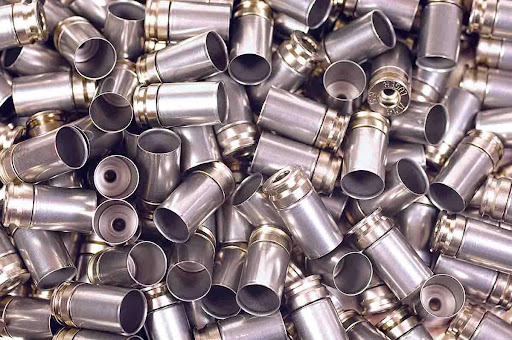
- Negligible effect on internal ballistics for nickel-plated brass. Nickel plating is thin and does not materially change case capacity, sealing, or pressure characteristics of quality plated brass. The exception is poorly made plated steel cases — those can behave differently (less expansion, more extraction problems).
- Primer seating and pressures: Nickel does not change primer seating depth unless plating is thick or flaked at the primer pocket — verify seating and check for flattened primers or loose primers after firing as you would with any brass.
Conclusion
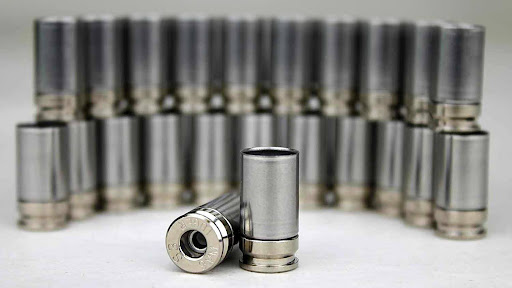
Brass remains the gold standard for reloaders because of its ductility, consistent chamber sealing, and longevity in reloading cycles. Nickel-plated brass is a high-quality alternative when corrosion resistance, cosmetic durability, and marginal improvements in feeding/extraction are priorities — especially for carry or storage in harsh environments. The tradeoffs are manageable: reloadability is still possible but requires careful inspection and minor adjustments to technique, and plating quality matters. Avoid nickel-plated steel if you intend to reload. Choose based on how you use your ammunition: practice and high-volume reloading generally favor plain brass; carry, humid storage, or the need for slick cycling can make nickel-plated brass an attractive option.