Introduction
Core components to compare
Every cartridge has the same basic parts: case, primer, powder, and projectile (bullet/shot/slug). The differences between match, duty, and range loads come down to component selection, manufacturing tolerances, and intended performance.
 1. Projectile / bullet
- Match:
- Uses precision-manufactured bullets (e.g., long-weighted, boat-tail, hollow-point target designs).
- Tighter concentricity, more uniform bearing surface, and often higher ballistic coefficients for rifle match bullets.
- Designed to stabilize consistently and reduce yaw/dispersion.
- Duty:
- Uses bullets optimized for penetration, expansion, or barrier performance depending on role (common in law enforcement: jacketed hollow points with controlled expansion).
- Constructed to perform reliably against realistic targets while minimizing collateral risk.
- Range:
- Usually economical full metal jacket (FMJ) or inexpensive lead/bi-metal bullets.
- Designed to feed reliably and be cheap to shoot in volume, not to maximize precision or terminal effects.
2. Powder (propellant)
Match:
- Extremely consistent charges; powders selected for stable burn rate and minimal variance shot-to-shot.
- Goal: minimal muzzle velocity spread (lower standard deviation) to tighten group sizes.
Duty:
- Powders chosen for reliable, consistent pressures across a range of temperatures—sometimes tuned to meet performance standards (penetration, barrier tests).
- May be loaded to higher pressures in some calibers (but within SAAMI/CIP spec unless specified as +P).
Range:
- Powders that are cost-effective and produce manageable recoil and acceptable velocities.
- Load consistency is adequate but not as strictly controlled as match loads.
3.Primers, brass, and case prep
Match:
- Often uses premium primers and higher-grade brass with tighter dimensional tolerances.
- Cases may be carefully sorted and sometimes annealed to reduce variance (this is more for handloaded match ammo).
Duty:
- Reliable primers and durable brass to withstand rough handling and temperature changes.
- Emphasis on function and storage stability.
Range:
- Standard primers and more economical brass or steel-cased options.
- The priority is low cost and acceptable function for many cycles.
4.Crimping and case sealing
Match:
- Proper crimping or bullet seating for consistent ignition and minimal disturbance to bullet alignment.
Duty:
- Often has strong crimps and sometimes sealed primers/cases for moisture resistance and durability.
Range:
- Sufficient crimp for function; may use less-robust crimping to reduce costs.
Performance trade-offs
- Accuracy & consistency: Match > Duty > Range
Match loads are tailored for the tightest groups; range loads are “good enough” for practice. - Terminal performance (real-world stopping power, barriers): Duty > Match ≈ Range
Duty ammo is engineered to expand and penetrate appropriately. Match bullets may not expand reliably (they’re designed for flight stability), and range FMJs are poor terminal performers. - Recoil & felt-shooting: Can vary — match loads sometimes have reduced or tuned recoil for follow-up shots, while duty loads may be snappier if loaded to higher pressures.
- Cost per round: Range < Duty < Match
Match ammo uses higher-grade components and tighter manufacturing tolerances, so it’s more expensive.
Typical use-cases
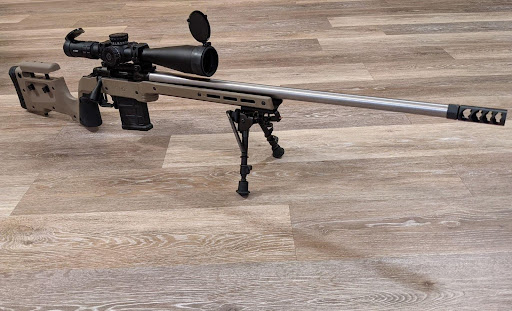
- Match loads: Precision rifle competitions, bullseye pistol shooting, any situation where best possible accuracy is the priority.
- Duty loads: Service pistols/rifles for law enforcement or security, home-defense loads chosen for real-world stopping performance and legal/regulatory compliance.
- Range loads: High-volume training, familiarization, basic marksmanship practice, inexpensive drills.
Safety & legal notes
- Use ammunition that is appropriate for your firearm’s chambering and pressure rating. Don’t use +P or specialty loads in firearms not rated for them.
- For law-enforcement or security professionals, follow your agency’s approved ammunition list and training protocols.
- Follow local laws and range rules — some ranges restrict certain bullet types (e.g., lead or armor-piercing).
Choosing the right load
- For accuracy training/competition: buy match-grade ammo (or handload) to mirror the ballistics you train with.
- For defensive carry and service: select duty/professional loads that meet penetration and expansion criteria tested by your agency or trusted independent tests.
- For high-volume practice: use affordable range ammunition, but occasionally shoot duty ammo through your gun to verify point of impact and function.
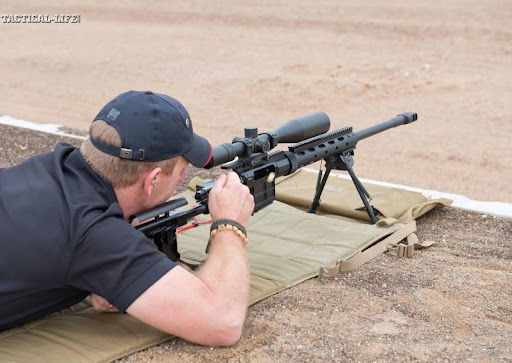
A practical combo many shooters use: practice most training with economical range ammo, occasionally check zero and point-of-impact with your duty load (or match load if that’s what you carry/compete with), and use match ammo when every fraction of MOA matters.
Final takeaway
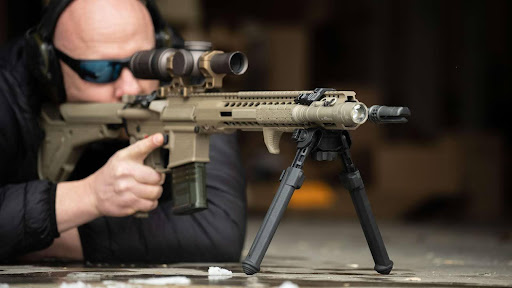
“Match,” “duty,” and “range” describe purpose-built ammunition — each optimized around different priorities: precision, real-world performance, or affordability and volume. Knowing those priorities helps you pick ammo that matches your mission: target, service, or practice. If you tell me what gun/caliber and primary use you have in mind (competition, carry, range days), I can suggest what factors to look for when comparing specific loads — no specific reloading recipes, just factors and checklist items.