

Introduction
For recreational shooting, most firearm malfunctions stem from ammunition issues, improper firearm maintenance, or user error. The most dangerous malfunctions are the result of catastrophic ammunition failure. Following proper procedures for handling and storage, along with using high-quality ammunition, is the best way to prevent issues and ensure safety
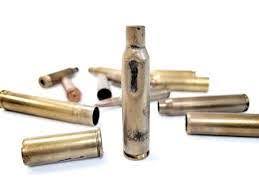
Failure to Fire
What happens: You pull the trigger, hear a “click” instead of a “bang.”
Ammo-related causes:
- Defective or contaminated primers
- Old ammunition that’s absorbed moisture or oil
- Hard primers (often in surplus or imported ammo)
Prevention tips:
- Store ammo in cool, dry, airtight containers
- Inspect cartridges before loading — avoid corroded or discolored primers
- Stick with reputable manufacturers or proven reloads
If you experience a failure to fire, keep the muzzle pointed downrange for 30 seconds before clearing the firearm. A delayed ignition (“hang fire”) can be dangerous if handled too soon.
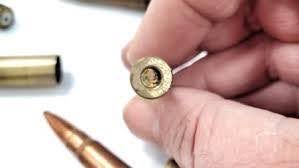 2.Failure to Feed
What happens: The round doesn’t chamber correctly from the magazine.
Ammo-related causes:
- Deformed or dented cases
- Improper cartridge length (especially in reloads)
- Bullet coatings or residue creating friction
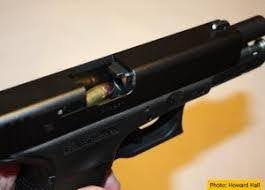
Prevention tips:
- Visually inspect ammo for damage before loading
- Use SAAMI-spec factory loads or carefully measured reloads
- Clean ammo and magazines regularly to prevent buildup
Smooth feeding starts with consistent ammunition. Even small imperfections can disrupt the firearm’s cycling.
3.Failure to Extract or Eject (Stovepipe)
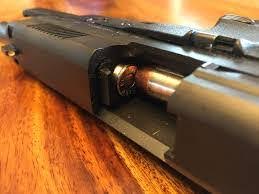
What happens: The spent casing fails to leave the chamber or gets caught in the ejection port.
Ammo-related causes:
- Underpowered loads (light charges or poor-quality reloads)
- Steel-cased ammo sticking in tight chambers
- Carbon buildup reducing chamber clearance
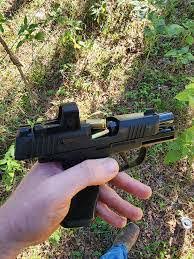
Prevention tips:
- Avoid “light” reloads that barely cycle your action
- Keep chambers clean, especially when switching between brass and steel cases
- Use quality brass-cased ammo for reliability
- Regular cleaning and consistent power are key to avoiding stovepipes — especially in semi-automatics.
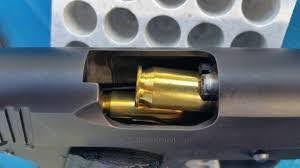
4. Double Feed
What happens: Two rounds try to enter the chamber at once.
Ammo-related causes:
- Deformed rims or cases
- Incorrect case dimensions
- Poor-quality reloads
Prevention tips:
- Inspect cartridges for bent rims, bulges, or cracks
- Keep magazines clean and springs strong
- Discard rounds that have been dropped on hard surfaces
Double feeds can be messy to clear but are often preventable with good ammo inspection and magazine maintenance.
 5. Squib Load
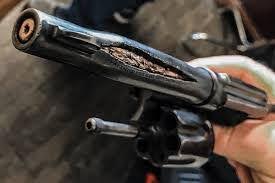
What happens: A round fires weakly, and the bullet gets stuck in the barrel. Pulling the trigger again can destroy your firearm.
Ammo-related causes:
- Missing or insufficient powder charge
- Degraded powder from age or humidity
Prevention tips:
- Stop shooting immediately if a round feels or sounds “off”
- Check for barrel obstruction before continuing
- Use consistent reloading practices — weigh powder charges regularly
Squib loads are among the most dangerous ammo malfunctions, so trust your instincts: if something doesn’t sound right, stop.
Prevention tips:
- Stop shooting immediately if a round feels or sounds “off”
- Check for barrel obstruction before continuing
- Use consistent reloading practices — weigh powder charges regularly
Squib loads are among the most dangerous ammo malfunctions, so trust your instincts: if something doesn’t sound right, stop.
6. Hang Fire
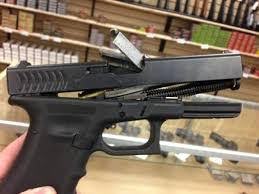
What happens: There’s a delay between the trigger pull and ignition. 
Ammo-related causes:
- Contaminated or deteriorated primer
- Old or improperly stored ammo
Prevention tips:
- Keep firearm pointed safely downrange for at least 30 seconds after a misfire
- Replace old or questionable ammo
- Avoid letting oil, solvent, or water touch primers or powderProper storage and handling can prevent most hang fires entirely.
Final Thoughts
Malfunctions happen — but most can be avoided with clean, well-maintained firearms and quality ammunition. Understanding the warning signs and prevention methods keeps you safer, protects your equipment, and ensures more time spent shooting instead of clearing jams.Whether you’re on the line for practice, training, or competition, remember: good ammo is as important as good marksmanship.

